

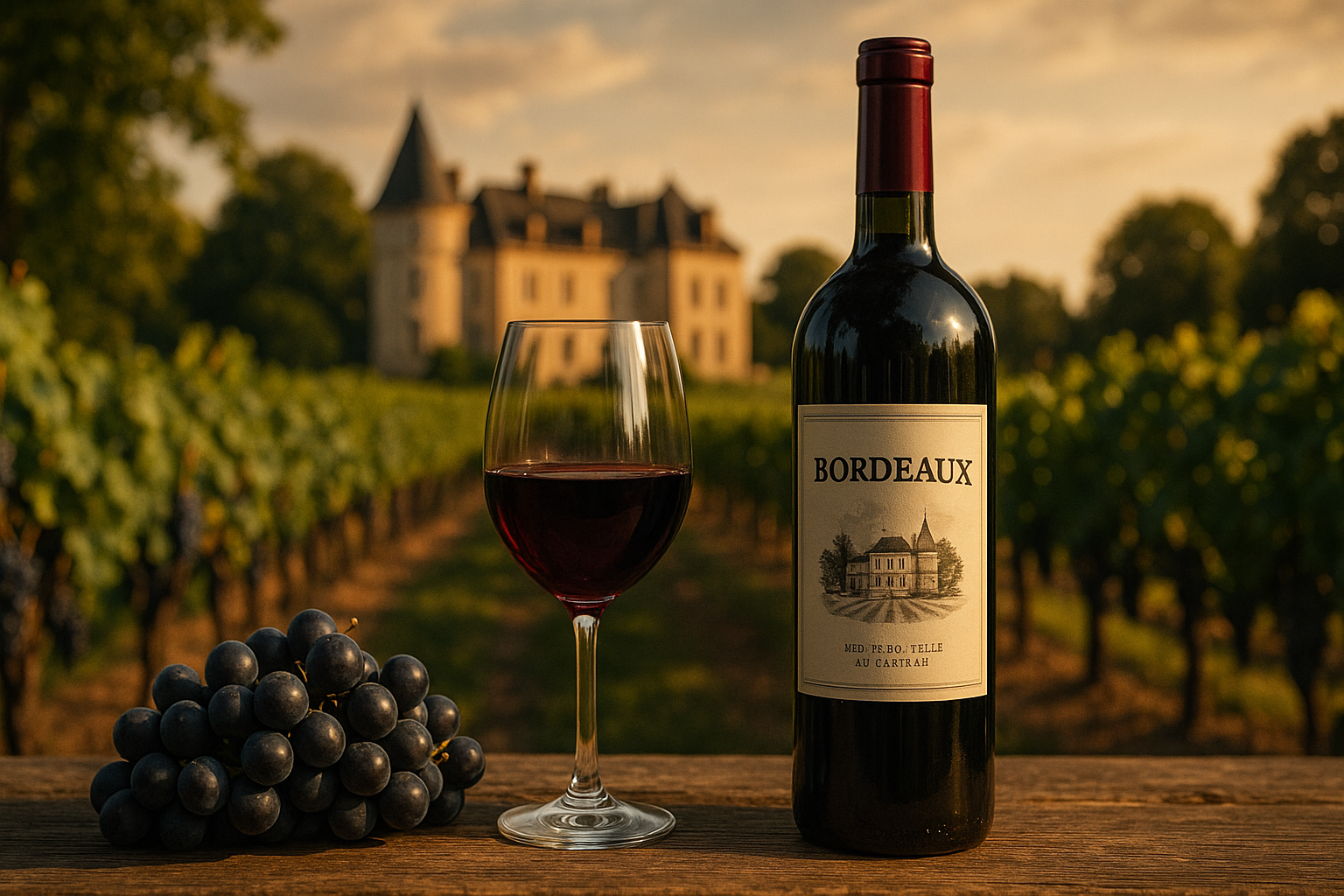
Guide to the Best Years of Bordeaux: From Legendary Vintages to the Role of Terroir, Climate, and Blending Styles. How to Recognize a Truly Great Year and Choose Wine.
Bordeaux is one of the most prestigious wine regions in the world, producing hundreds of millions of bottles of wine each year, from powerful reds to exquisite whites and sweet Sauternes. This is where legendary vintages are born, for which collectors are willing to pay thousands of euros. But what makes a particular year great, which Bordeaux harvests are considered the best, and why do some years become history while others remain simply "good"?
What is a "best year" for Bordeaux
When talking about "great years" or "outstanding vintages" of Bordeaux, it refers to a combination of several factors:
- ideal weather balance throughout the season (warmth, sun, rain);
- complete and even ripening of berries without mass disease damage;
- low but high-quality yield with concentrated flavor;
- the potential for long aging due to tannins, acidity, and wine structure.
A fantastic year for Bordeaux is when nature allows winemakers to harvest grapes with maximum raw material quality. Such harvests are then featured in wine guides for decades as benchmarks.
Briefly about the region: what makes Bordeaux special
To understand why certain years become legendary, it's important to know what sets Bordeaux apart from other regions of France.
- Scale: over 700 million bottles of wine of various styles are produced here annually.
- Terroir: a combination of soils (gravel, limestone, sand) and a mild, humid oceanic climate creates unique conditions for grapes.
- Blended wines: red Bordeaux is traditionally made from a mix of Cabernet Sauvignon, Cabernet Franc, Merlot, Petit Verdot, sometimes Malbec and Carmenere.
- Division into left and right bank: on the left bank of the Gironde, Cabernet Sauvignon dominates, on the right bank — Merlot; wine styles differ significantly.
These factors set the initial "base," but the specific year (climate and grape condition) determines how much the potential of the terroir will be realized.
Legendary Bordeaux years after World War II
French winemakers have been recording harvest quality since at least the 16th century and know well which years were particularly successful. After World War II, the years 1947, 1949, 1953, and later bright years are considered especially favorable for grapes in France, including Bordeaux.
Iconic vintages and specific examples
- 1945 – one of the most famous wartime Bordeaux vintages; experts call the harvest of this year "fantastic in quality," with outstanding concentration and aging potential.
- 1947 – the year when possibly the most famous Bordeaux of all time appeared. Many critics consider Chateau Cheval-Blanc 1947 the best Bordeaux ever created; with proper storage, it can maintain excellent taste for up to 80 years.
- 1949 – another extremely successful post-war year, known for its excellent balance of structure and aromatics.
- 1953 – among classic "old" vintages, often mentioned as a very good year for aged red Bordeaux.
- 1978–1979 – years highlighted as particularly favorable for French vineyards after the not-so-stable period of the 60s–70s.
Beyond these post-war years, there are many more outstanding Bordeaux vintages in the second half of the 20th and early 21st centuries (1982, 1989, 1990, 2000, 2005, 2009, 2010, etc.). They are often highlighted for their benchmark structure, balance, depth of flavor, and excellent aging potential. This assessment is based on the collective opinion of critics and the market, even if specific dates are not always directly listed in encyclopedic sources.
Why some years are better than others: key success factors
The year of harvest is primarily a story about climate, terroir, and human decisions. In Bordeaux, several factors determine whether a vintage will be great.
1. Climate and weather by seasons
For red Bordeaux, the ideal scenario is considered when:
- spring is warm, without severe frosts (to avoid damaging young shoots);
- summer is sunny and relatively dry, but without extreme heat, preserving acidity;
- autumn is dry and warm, allowing grapes to fully ripen and provide concentrated flavor.
Too rainy summer or cold, wet autumn leads to "diluted" wines with lower concentration and weaker aging potential. Conversely, favorable years produce dense, structured wines with distinct aromas of black fruits, spices, cedar, tobacco.
2. Terroir and natural "stress" for the vine
Bordeaux soils — gravel, sand, and limestone — are often quite poor, harsh for the vine. This "stress" forces the vine to:
- produce a smaller yield;
- concentrate resources in a smaller number of berries;
- form a more complex flavor profile.
In a great year, the combination of such terroir with the right amount of rain and sun creates ideal conditions: grapes ripen fully but do not lose freshness and acidity.
3. The role of blending and grape varieties
Most red Bordeaux is a blend, meaning a mix of several varieties. A successful year allows the winemaker to finely "tune" the wine composition:
- Cabernet Sauvignon provides structure, tannins, long aging potential.
- Merlot adds softness, fruity flavor, roundness.
- Cabernet Franc, Petit Verdot bring spiciness, aromatic complexity, and color.
In cooler years, winemakers may rely more on Merlot to soften the harshness of tannins. In warm, sunny years, Cabernet Sauvignon ripens perfectly, producing legendary, deep wines with enormous aging potential.
4. Human factor: from harvest to aging
Even in a favorable year, it's important to correctly determine the harvest time: too early will yield wine with high acidity and unripe tannins, too late — with excessive alcohol and loss of freshness. In Bordeaux, winemakers carefully control:
- harvest dates (sometimes separately for different plots);
- berry sorting to discard damaged ones;
- fermentation and maceration regimes (skin contact);
- type and duration of barrel aging, which shapes the style and complexity of the wine.
It's the balance between nature and man that makes the difference between just a good and truly great year.
Why great Bordeaux years are so valued
Bordeaux's reputation as a region of great vintages relies on several key advantages:
- Aging: the best years produce wines that can develop over decades, acquiring complex bouquets (leather, truffles, cedar, cigar box), while maintaining structure and balance.
- History and rarity: the limited number of bottles from famous chateaux in great years makes them collectible, and prices rise over the years.
- Benchmark of quality: great vintages define what the region and a specific estate can achieve in the best years, becoming a reference point for critics and enthusiasts.
How to choose wine from "best years" of Bordeaux
For professionals and interested enthusiasts, it's important not only to know the names of chateaux but also to navigate the harvest years. A few practical tips:
- Pay attention to the year on the label. In Bordeaux, the harvest year (vintage) is always indicated, and it is one of the key parameters.
- Use wine guides and vintage charts. They evaluate years by region, including for the left and right banks of Bordeaux.
- Remember the style of the bank. In great warm years, left-bank wines based on Cabernet Sauvignon often demonstrate outstanding structure, while right-bank blends with Merlot offer a rich, velvety style.
- Consider readiness to drink. The best years may require 10–20 or more years of aging before the wine reaches its peak; young bottles from great vintages may still be too powerful and tannic.
- Pay attention to the producer. Even in "mediocre" years, great chateaux can create very high-quality wines through careful selection and technology.
Conclusion: what is the magic of the best Bordeaux years
The best Bordeaux years are a combination of an ideal climatic scenario, terroir potential, skillful blending, and high winemaking craftsmanship. This results in wines that remain viable for decades, become symbols of an era, and set a quality benchmark for the entire world. Knowledge of great vintages helps not only collectors but also all enthusiasts who want to choose Bordeaux consciously, focusing not only on the chateau label but also on the magic of a specific year.







Comments (0)
No comments yet. Be the first to comment!
Leave a Comment