
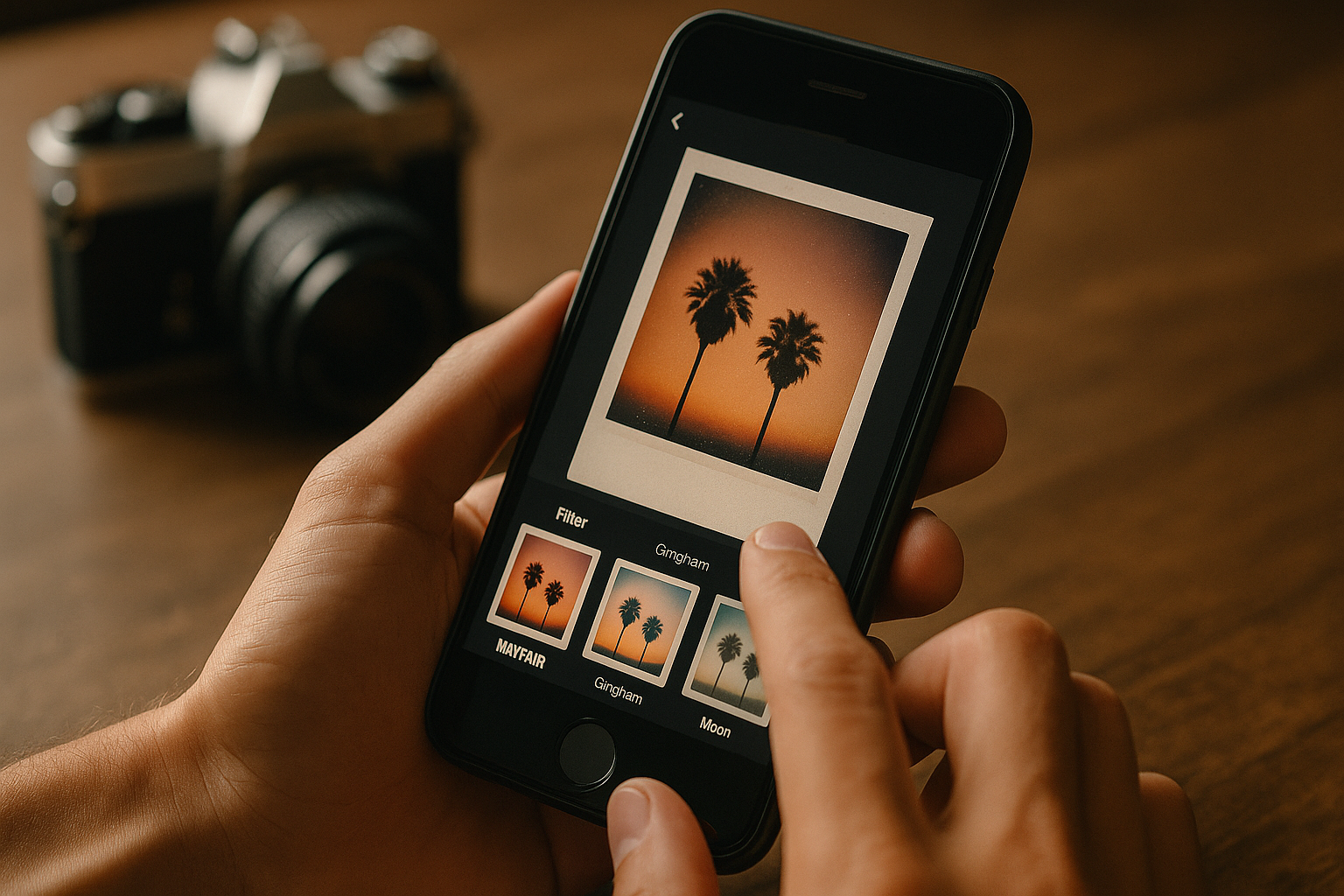
In 2026, social media was swept by a wave of nostalgia for the 2016 Instagram aesthetic. Users are massively using old retro filters, posting archival photos, and reminiscing about simpler times. The trend is viral on Instagram and TikTok, with over 200 million videos.
Nostalgia for 2016: Retro Filters on Instagram Take Us Back
Imagine waking up in the morning, opening Instagram, and seeing a feed filled with grainy photos with faded colors, spontaneous selfies, and familiar filters from 2016. This is not a dream but the reality of 2026: social networks are flooded with mass nostalgia for the "golden age" of social media. Millennials and Gen Z are massively returning to retro aesthetics, imitating effects that made content genuine and effortless. Why 2016 specifically? And how did Instagram's retro filters become a symbol of this wave? Let's delve into the details.
What is the "2016 vibes" trend?
At the beginning of 2026, Instagram and TikTok suddenly filled with content imitating the style of social media from ten years ago. Users are posting archival photos and videos, applying old filters with grain effects, vinyl scratches, and warm, faded tones. Even the iconic "dog" filter from Snapchat has returned to feeds, bringing smiles and comments like "It's 2016 again!" The trend quickly went viral: over 200 million videos already use filters and music inspired by that era.
Hashtags #2016, #RetroFilter, or simply captions like "2026 is the new 2016" have flooded platforms. People are not just posting old photos – they are "aging" fresh content to convey a sense of spontaneity. Social media experts call this nostalgia for a simpler internet, when algorithms didn't dictate every photo, and posts were genuine moments from life.
Why 2016?
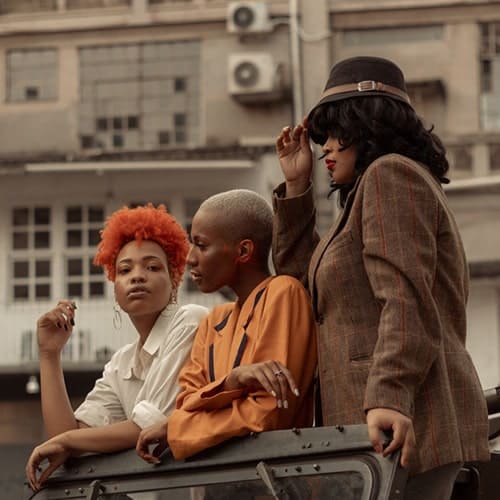
2016 is associated with a period when social media seemed less commercial and polished. Simple square photos dominated, without the pressure of Reels, Stories, or perfect lifestyle posts. People shared everyday moments: walks with friends, family dinners, or first travel selfies. There was no need for professional lighting or retouching – one filter was enough to make a photo look stylish.
- Visual Aesthetics: Graininess like on a film camera, warm tones, slight blurriness – all these were imitated by popular Instagram filters of that time, like Clarendon or Ludwig.
- Spontaneity: Posts were not about branding but about emotions. Without algorithms promoting only "perfect" content.
- Cultural Context: 2016 was the time of Pokémon Go, the Mannequin Challenge, and memes that made the internet "alive."
Today, in the era of AI-generated images and overly perfect Stories, retro filters bring back a sense of authenticity. "It's not about wanting to return to the past, but about remembering the version of yourself that seemed simpler," notes social media coach Kar Brulhart.
Instagram Retro Filters: How They Work and Why They're Popular
Instagram has kept many old filters in its library, and new AR effects in Stories allow for an accurate recreation of the 2016 aesthetic. Here are the most popular ones:
- Clarendon: Enhances contrast and warm tones – a hit for portraits and landscapes.
- Ludwig: Adds a nostalgic yellow tint, as if from old film.
- Valencia: Faded colors and a vintage effect – perfect for "aging" fresh shots.
- Snapchat Dog Filter: Turns faces into cute puppies – a trend that returned with TikTok.
On TikTok, users create their own effects, combining grain, VHS effects, and 2010s music. These are not just filters – they are a way to express fatigue from modern "gloss." Studies show that nostalgic trends help combat stress by bringing a sense of comfort.
Celebrities and Pop Culture in the Trend
The trend hasn't bypassed stars. Singer Charlie Puth posted a video to his hit "We Don't Talk Anymore" with the caption "Heard it's 2016 again?" Actress Lily Collins shared an album of retro photos, noting that those years had a special "vibe." Influencers are massively reposting archives, recalling hits by The Chainsmokers ("Closer"), Justin Bieber ("Love Yourself"), or Alan Walker ("Faded").
Pop culture of 2016 is coming alive: memes with Pokémon Go, challenges, and even old gadgets. For example, a 15-year-old iPhone has become a trendy retro gadget thanks to viral videos. Gen Z is swapping Spotify for MP3 players for the lack of ads and pure sound – another manifestation of nostalgia.
A Deeper Meaning: The Psychology of Nostalgia
Experts explain the surge of the trend as a cultural shift. In 2026, after years of pandemics, algorithmic wars, and AI content, people are seeking "authenticity." 2016 symbolizes a time when the internet was a place for friends, not monetization. Retro filters become a tool for self-expression: they allow showing vulnerability, not an ideal.
According to Business Insider, the trend has already influenced marketing: brands are launching campaigns with retro aesthetics, and Instagram is testing new filters inspired by the past. Will it last? Historically, nostalgic waves are cyclical – the next could be the 2000s with MSN and the first cameras.
How to Join the Trend?
Easy! Here's a step-by-step guide:
- Find old photos in your gallery or Instagram "Archive."
- Apply retro filters: Clarendon, Ludwig, or new AR effects in Stories.
- Add 2016 music: a playlist with Chainsmokers or Bieber.
- Caption with #2016Vibes or "Back to 2016."
- Share in Reels or TikTok for maximum reach.
This trend reminds us: social networks are not just about likes, but about emotions. Try it – and maybe you'll feel that same vibe of simplicity and joy.



Comments (0)
No comments yet. Be the first to comment!
Leave a Comment