

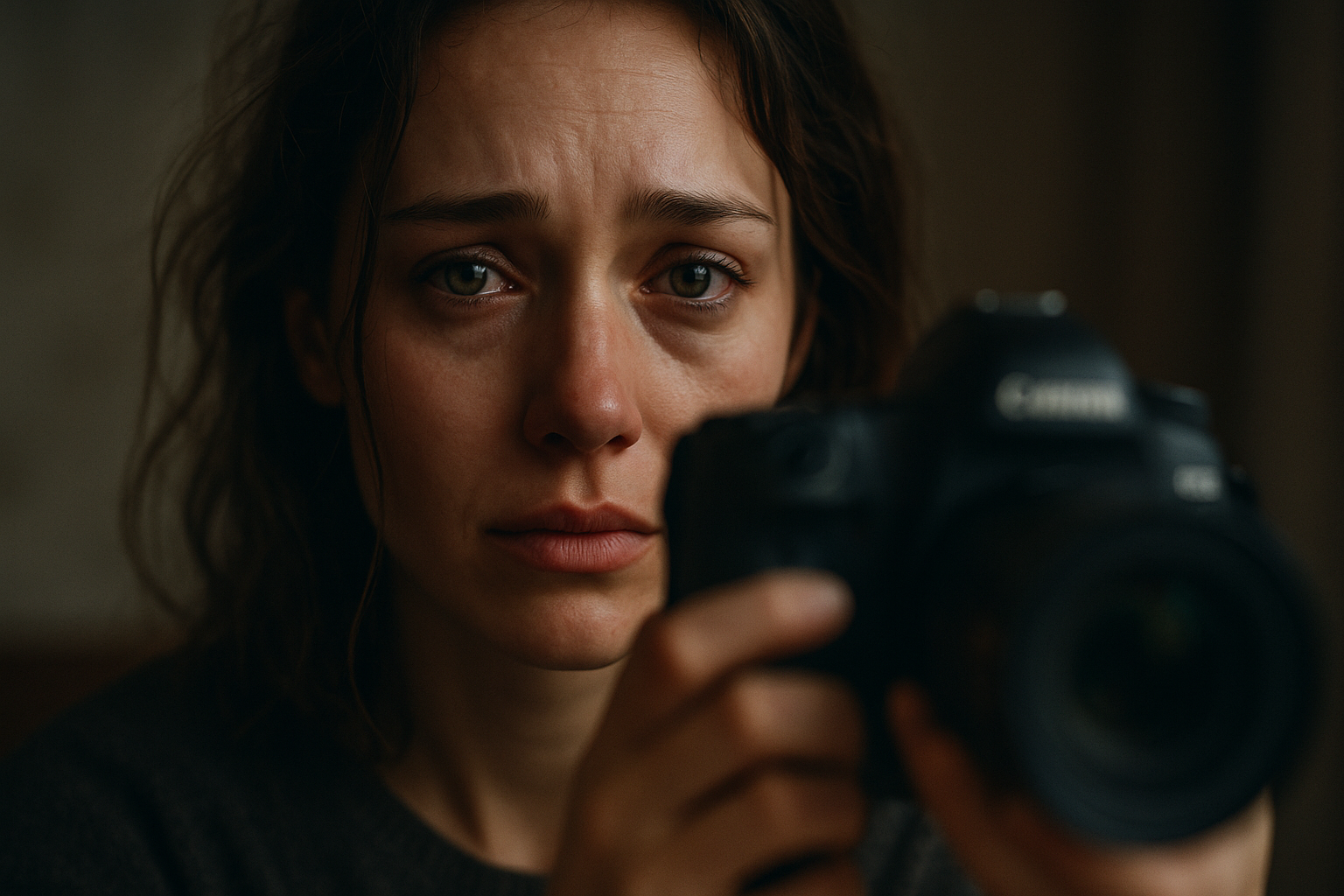
Discover how minimal photo editing preserves genuine emotions and creates an authentic connection with the viewer. Tips on shooting in natural light, ethical retouching, and techniques for emotional portraits. Create soul-stirring shots!
Minimal Editing: Authentic Emotions in Photos
In a world where photo retouching often creates artificial perfection, minimal editing brings photography back to its essence — conveying genuine emotions. This approach emphasizes natural light, authentic facial expressions, and light correction that does not distort reality. The result is images that evoke a deep emotional response and maintain a connection with the viewer.
Why is Minimal Editing Important for Authenticity?
Authentic photographs convey reality as it is, preserving the emotional connection between the image and the viewer. Excessive retouching leads to a "plastic" effect, where skin texture, natural lines, and true emotions disappear. In contrast, minimal editing highlights natural beauty, making the photo lively and truthful.
Emotion is the foundation of any successful shot. A well-made portrait always expresses or evokes feelings, but the real magic lies in revealing the model, their memories, and natural reactions. Minimal editing allows preserving this authenticity, avoiding artificial changes.
Natural Light: The Key to Emotional Photos
Soft, atmospheric light is one of the most powerful tools for creating emotional shots. It adds drama, texture, and depth, allowing the viewer to feel a connection with the scene. Here are key tips:
- Less window — better. Cover windows with fabric or a sheet to control the amount of light. This creates a subdued atmosphere without waiting for dusk.
- Use rooms with varied lighting. Look for places with tall trees outside — they filter the sun, providing soft, minimal lighting.
- Pockets of light. Focus on small areas where light falls clearly, guiding the eye to the focus. The contrast of a light object on a dark background adds interest.
Set your camera to the brightest area to get rich shadows. Practice on still lifes: experiment with ISO, aperture, and shutter speed in one location throughout the day. In post-processing, deepen shadows or enhance light areas for a dramatic effect, but keep realism.
Exposure Tips
- Enable highlight warnings to avoid losing details on the skin.
- The subject should not be too close to the light source — this prevents overexposure.
- Underexposure adds texture and muted colors.
Ethical Retouching: The "Less is More" Principles
Ethical retouching enhances photos without losing authenticity. The key is non-destructive methods that preserve skin texture and natural features.
Basic Techniques:
- Balancing white and contrast. Adjust color temperature for natural lighting, increase clarity without excessive dramatization.
- Working with skin. Light smoothing without removing pores or lines. Add noise for graininess, avoid "plastic skin."
- Emphasizing shapes. Minimal contour changes that do not distort appearance.
Use references of real photos and the "soft light" mode for subtle enhancement. Be cautious with color saturation to avoid making them unnatural.
Creating Emotional Portraits
An emotional portrait is built on the model's true feelings. Talk, evoke memories, provoke situations — this reveals authenticity. A smile that reaches the eyes makes the photo lively, as if sharing a secret.
Practice in front of a mirror: true emotion touches the soul. Avoid staging — focus on the connection with the model.
Practical Cases and Examples
Imagine a breakfast area with soft light from a window covered with fabric. A chair in a pocket of light creates an intimate atmosphere. Post-processing: deepening shadows — and the photo comes to life with reality.
For portraits: shoot in a room with varied lighting, retouch minimally — light skin tone leveling. Result: an authentic gaze that speaks.
Conclusions for Beginner Photographers
Start practicing at home: soft light, natural emotions, minimal retouching. It's not just a technique, but a philosophy — to convey the world as it is. Your photos will become not just shots, but stories that captivate.
Experiment, observe the light throughout the day, and remember: authenticity is in the details. Create emotions that last long!








Comments (0)
No comments yet. Be the first to comment!
Leave a Comment